

5 min
News
Milly Smith
Electroacupuncture
As the quest for holistic and complementary approaches to health continues to gain momentum, Electroacupuncture has emerged as a fascinating blend of ancient wisdom and modern technology. This innovative technique has piqued the interest of individuals seeking relief from chronic pain, mental health challenges, and a myriad of other conditions. However, with its unique blend of traditional acupuncture and electrical stimulation, many are left wondering: _Does it really work? Is it safe? And how does it differ from its traditional counterpart?
In this comprehensive guide, we delve into the world of Electroacupuncture, addressing your most pressing concerns, exploring its scientific basis, and providing invaluable insights into what to expect from a session. Whether you're a curious newcomer or a seasoned enthusiast of alternative therapies, this article aims to empower you with the knowledge necessary to make informed decisions about your health.
The Foundations of Electroacupuncture
To truly appreciate Electroacupuncture, it’s essential to understand its roots in traditional acupuncture, a practice that dates back thousands of years in Chinese medicine. Acupuncture is based on the premise that the body has a vital energy, or “qi,” which flows through specific pathways (meridians). By inserting fine needles into strategic points along these meridians, practitioners aim to restore the balance of qi, thereby promoting health and alleviating disease.
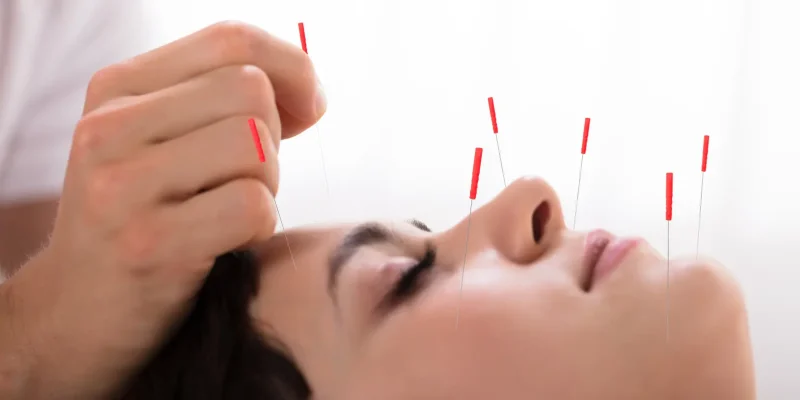
Electroacupuncture builds upon this foundation by incorporating electrical stimulation. Once the needles are in place, a small, controlled current is passed between pairs of needles, enhancing the stimulation of the body’s acupoints. This synergy of traditional technique and modern technology is designed to intensify the therapeutic effects, making Electroacupuncture a preferred choice for certain conditions.
How Electroacupuncture Works: Bridging Ancient and Modern
The integration of electrical stimulation in Electroacupuncture not only amplifies the effects of traditional acupuncture but also grounds the practice more firmly in contemporary physiological understanding. The electrical impulses are believed to:
This dual approach allows Electroacupuncture to address a wide range of health challenges, from musculoskeletal issues and chronic pain management to mental health support and rehabilitation post-injury or surgery.
Applications and Benefits: Where Electroacupuncture Excels
Electroacupuncture’s versatility is one of its most compelling aspects, with applications spanning:
Safety, Side Effects, and Precautions: Navigating with Confidence
While Electroacupuncture is generally considered safe, as with any medical treatment, it’s crucial to be aware of potential side effects and necessary precautions:
Electroacupuncture vs. Traditional Acupuncture: Choosing the Right Path for You
|
ASPECT
|
TRADITIONAL ACUPUNCTURE
|
ELECTROACUPUNCTURE
|
|---|---|---|
|
Stimulation |
Manual (needles only) |
Electrical (enhanced stimulation) |
|
Intensity |
Variable, dependent on practitioner skill |
Consistent, adjustable |
|
Conditions Treated |
Broad, with a focus on holistic balance |
Often preferred for chronic pain and neurological issues |
|
Patient Experience |
More dependent on practitioner technique |
Can offer more pronounced sensations due to electrical impulses |
What to Expect from an Electroacupuncture Session: A Step-by-Step Guide
Finding Your Way to a Qualified Practitioner: Empowering Your Health Journey
As you consider Electroacupuncture as part of your health regimen, the key to a successful and safe experience lies in finding the right practitioner. Here’s how to navigate this crucial step:
Conclusion: Illuminating the Path Forward
Electroacupuncture stands at the fascinating intersection of traditional healing arts and modern medical science, offering a unique approach to addressing a wide spectrum of health challenges. By understanding its mechanisms, applications, and what to expect, you’re empowered to make informed decisions about incorporating Electroacupuncture into your wellness journey.
Take the First Step:
Resources for Further Exploration:



Experience the difference of professional electroacupuncture treatments at Loke Tong Acupuncture and Traditional Medicine Center, where tradition meets innovation in healthcare excellence. Schedule your consultation today to begin your journey toward optimal health and wellness.
Loke Tong Acupuncture
Puchong
Loke Tong Acupuncture and Traditional Medicine Center
1, Jln. Kenari 14a,
Bandar Puchong Jaya,
47100 Puchong
Loke Tong Acupuncture
Sri Petaling
Loke Tong Acupuncture and Traditional Medicine Center
2, Jalan Radin 1 Taman Sri Petaling,
Bandar Baru Sri Petaling,
57000 Kuala Lumpur