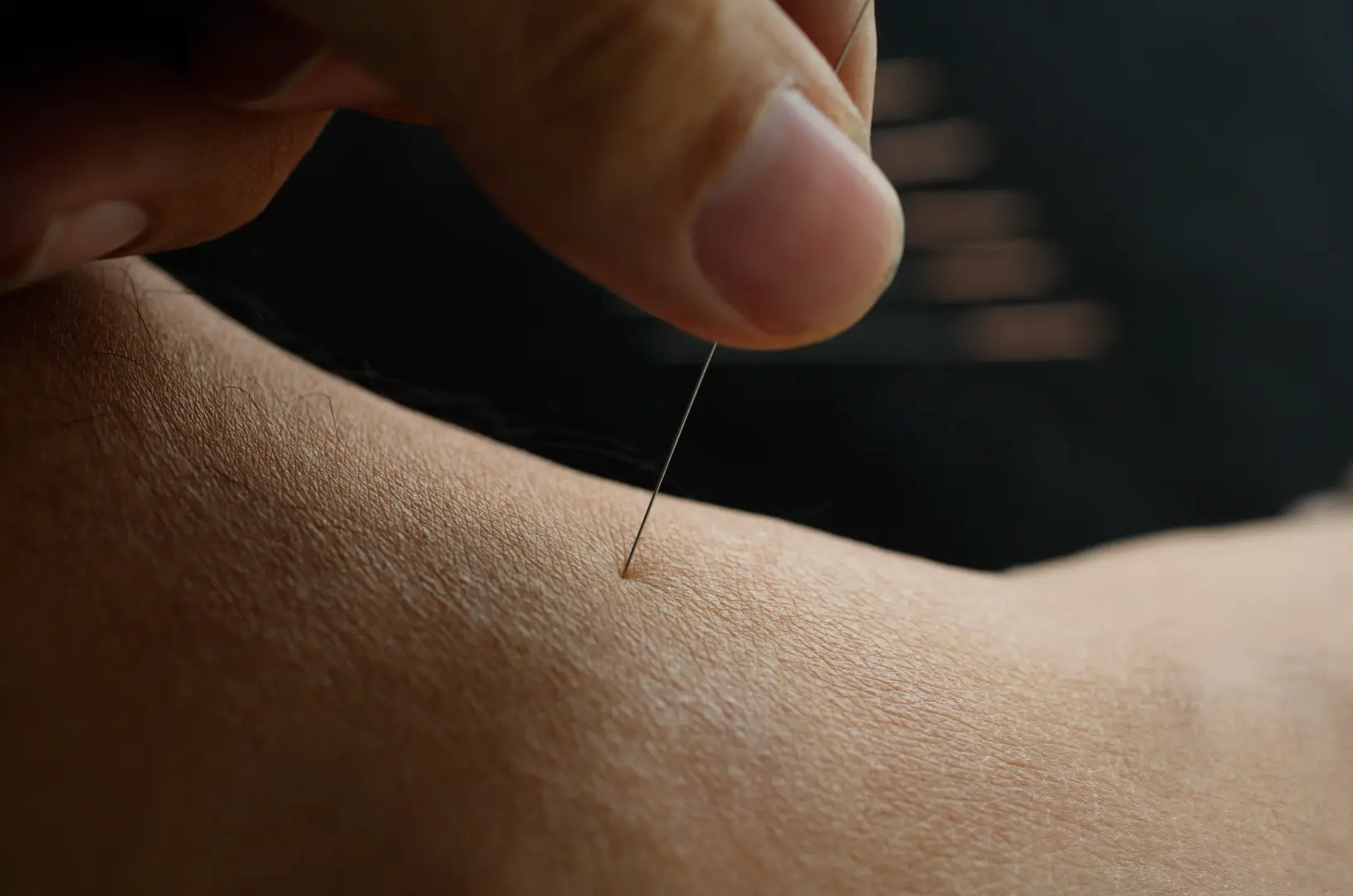


At Loke Tong Acupuncture Center, we specialize in treating joint dislocations through advanced electroacupuncture techniques combined with traditional healing methods. Our comprehensive approach focuses on post-reduction recovery, pain management, and rehabilitation of dislocated joints to restore full function and prevent future incidents. Understanding that joint dislocations can be both painful and debilitating, we offer specialized care that promotes healing while strengthening the surrounding tissues to prevent recurrence.
Here are comprehensive FAQs for the Joint Dislocation Treatment, focusing specifically on electroacupuncture treatments:
Treatment benefits include:
- Reduced inflammation
- Pain management
- Improved joint stability
- Enhanced ligament healing
- Better muscle function
- Increased circulation
- Faster tissue repair
Treatment timing:
- After medical stabilization
- Once joint is properly relocated
- With physician clearance
- After acute swelling reduces
- Based on injury assessment
- Following initial healing
Common locations:
- Shoulder joints
- Elbow joints
- Finger joints
- Hip joints
- Knee joints
- Ankle joints
- Temporomandibular joint
Key mechanisms:
- Targeted muscle strengthening
- Ligament healing support
- Reduced inflammation
- Pain control
- Improved joint stability
- Enhanced tissue repair
- Initial session: 50 minutes
- the follow-up session largely depends on how you respond to the treatment
Common benefits:
- Reduced pain
- Better joint stability
- Improved range of motion
- Enhanced strength
- Faster recovery
- Reduced swelling
Safety measures:
- Careful positioning
- Gentle techniques
- Progress monitoring
- Movement assessment
- Regular evaluation
- Modified approaches
Preventive benefits:
- Strengthened supporting muscles
- Improved joint stability
- Enhanced proprioception
- Better movement patterns
- Proper joint function
- Injury prevention education
Recovery process:
- Progressive improvement
- Gradual strength gain
- Increased stability
- Better movement control
- Reduced pain
- Enhanced function
Assessment methods:
- Range of motion tests
- Stability checks
- Strength evaluation
- Pain level tracking
- Function assessment
- Progress documentation
Activity guidelines:
- Prescribed exercises only
- Gradual progression
- Monitored movement
- Safe activities
- Modified exercises
- Regular assessment
Distinctive features:
- Targeted treatment
- Integrated approach
- Custom protocols
- Progressive care
- Regular monitoring
- Prevention focus
Treatment approach:
- Comprehensive assessment
- Stability focus
- Strength building
- Pattern correction
- Prevention strategies
- Long-term support
Rehabilitation focus:
- Strength restoration
- Stability improvement
- Movement retraining
- Function enhancement
- Prevention education
- Long-term success
Experience the difference of professional electroacupuncture treatments at Loke Tong Acupuncture and Traditional Medicine Center, where tradition meets innovation in healthcare excellence. Schedule your consultation today to begin your journey toward optimal health and wellness.
Loke Tong Acupuncture
Puchong
Loke Tong Acupuncture and Traditional Medicine Center
1, Jln. Kenari 14a,
Bandar Puchong Jaya,
47100 Puchong
Loke Tong Acupuncture
Sri Petaling
Loke Tong Acupuncture and Traditional Medicine Center
2, Jalan Radin 1 Taman Sri Petaling,
Bandar Baru Sri Petaling,
57000 Kuala Lumpur