

THE COMPREHENSIVE GUIDE TO BONE SPURS: UNDERSTANDING, MANAGING, AND FINDING RELIEF

THE COMPREHENSIVE GUIDE TO BONE SPURS:
UNDERSTANDING, MANAGING, AND FINDING RELIEF

Details

READING TIME

5 min

CATEGORY

News

AUTHOR

Milly Smith

TOPIC

Bone Spurs

Are you tired of living with nagging aches and pains, wondering if bone spurs are the culprit? Do you lie awake at night, worrying about the impact on your daily life? You're not alone. Millions worldwide are affected by bone spurs, leading to a quest for effective management and relief. In this in-depth guide, we'll delve into the world of bone spurs, exploring what they are, how they're caused, and most importantly, how to manage them. We'll also shine a spotlight on a promising complementary therapy: electroacupuncture and provide actionable tips for lifestyle modifications and prevention.

Understanding Bone Spurs: The Basics

A bone spur, also known as an osteophyte, is a small, smooth growth of extra bone that develops on the edge of an existing bone. Despite their intimidating name, bone spurs are usually harmless and may not even cause symptoms. However, when they do, it’s essential to understand what’s going on beneath the surface.


Visualizing Bone Spurs

Imagine your joints as smoothly operating hinges, with cartilage serving as the lubricant. Over time, due to various factors, this cartilage can wear down, leading to bone-on-bone contact. In response, your body may attempt to repair this area by growing extra bone, resulting in a spur. This natural response is the body’s way of trying to stabilize the joint, but unfortunately, it can sometimes cause more harm than good.


Uncovering the Causes of Bone Spurs

So, why do bone spurs form in the first place? Let’s explore the most common causes:

  • Wear and Tear (Osteoarthritis): The most common culprit, where joint cartilage breaks down over time due to aging, obesity, or repetitive strain.
  • Injury or Trauma: Direct blows to bone can trigger spur formation, especially in younger individuals.
  • Genetic Predisposition: Some people may be more prone due to their genetic makeup, which can affect the development and health of their joints.
  • Inflammatory Conditions: Certain conditions, like plantar fasciitis or tendinitis, can lead to bone spur development as the body reacts to inflammation.


Deciphering Symptoms and Identifying Areas Affected

Bone spurs can develop in any part of the body but are most commonly found in:

  • Neck (Cervical Spine): Leading to stiffness, pain, or limited mobility in the neck.
  • Lower Back (Lumbar Spine): Causing lower back pain, stiffness, or sciatica.
  • Heels (Plantar Fasciitis): Resulting in heel pain, especially with the first steps in the morning.
  • Knees: Affecting knee mobility and causing pain, especially in weight-bearing activities.
  • Hips: Leading to hip pain or stiffness, which can radiate to the groin or thigh.
  • Shoulders: Causing shoulder pain, stiffness, or limited mobility.


Common Symptoms to Watch Out For:

  • Pain or stiffness in the affected area
  • Limited mobility or stiffness
  • Muscle spasms
  • Numbness, tingling, or weakness (if the spur presses on a nearby nerve)


The Diagnostic Process: Uncovering the Presence of Bone Spurs

Diagnosing bone spurs typically involves a multi-step approach:

  1. Physical Examination: Your doctor will examine the affected area, looking for signs of tenderness, swelling, or limited mobility.
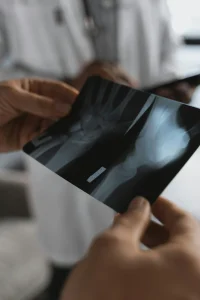
  2. X-rays: To visualize the bone spur and assess its size and location.
  3. MRI or CT Scans: For more detailed images, especially if nerve compression is suspected or to rule out other conditions.


Navigating Treatment Options: Finding What Works for You

  1. Non-Surgical Treatments: The First Line of Defense
  • Pain Relief Medication: Over-the-counter NSAIDs or prescription medications to manage pain and inflammation.
  • Physical Therapy: Tailored exercises to improve mobility, strengthen surrounding muscles, and enhance joint stability.
  • Rest and Ice: For acute flare-ups, to reduce pain and inflammation.


  1. Surgical Treatments: When Necessary
  • Surgical Removal of the Spur: Usually considered if the spur is pressing on a nerve or if non-surgical treatments haven’t provided relief.
  • Joint Replacement Surgery: In severe cases of osteoarthritis, where the joint is significantly damaged.


  1. Alternative Therapies: Complementary Relief
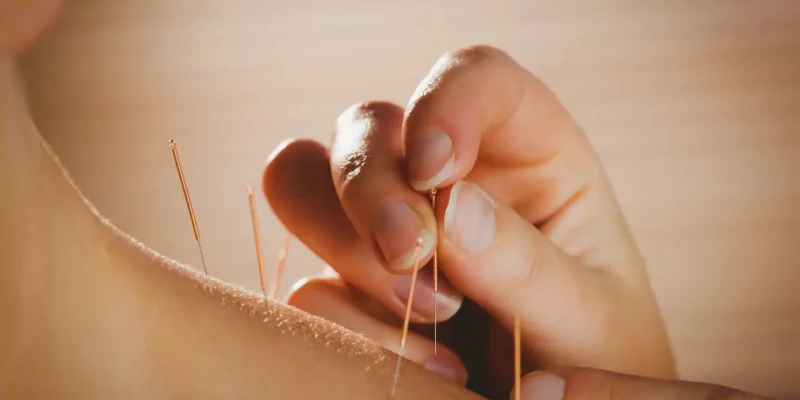
  • Acupuncture: Targets pain relief by stimulating healing processes and releasing endorphins.
  • Electroacupuncture (Our Spotlight Therapy): Enhances traditional acupuncture with small electrical currents, potentially offering more effective pain relief and promoting healing. Studies suggest electroacupuncture can significantly reduce pain and improve function in patients with chronic conditions.
  • Chiropractic Care: Spinal manipulation to improve joint mobility, reduce pressure on the spine, and enhance overall well-being.
  • Massage Therapy: Enhances blood flow, relaxes muscles, and can reduce pain, promoting a sense of well-being.


Why Electroacupuncture Stands Out: Its ability to address both the pain and the potential underlying inflammation makes it a compelling option for those seeking to manage bone spurs without immediately resorting to surgery. By stimulating specific points, electroacupuncture can:

  • Reduce pain and inflammation
  • Enhance healing processes
  • Improve joint mobility and function
  • Offer a drug-free, minimally invasive solution


Empowering Lifestyle Modifications and Prevention

Take Control: Prevent Bone Spurs from Taking Over Your Life

  1. Maintain a Healthy Weight: Reduce joint stress and the risk of osteoarthritis.
  2. Exercise Regularly: Focus on low-impact activities (cycling, swimming, yoga) to keep joints mobile without excessive strain.
  3. Warm Up and Cool Down: Prevent injuries by gradually increasing and decreasing intensity during workouts.
  4. Consider Electroacupuncture: As a proactive measure to manage early symptoms and potentially prevent further issues.
  5. Eat to Heal: While there’s no specific “bone spur diet,” consuming foods rich in:
    • Omega-3 Fatty Acids (salmon, flaxseeds): Reduces inflammation.
    • Vitamin D (fatty fish, fortified dairy): Supports bone health.
    • Calcium (dairy, leafy greens): Essential for bone density.


Living with Bone Spurs: Coping Strategies for a Better Life

  • Stay Informed: Understanding your condition is key to managing it.
  • Stay Active: Within the limits of your comfort, to maintain joint health and mobility.
  • Explore Your Options: Don’t be afraid to try a combination of treatments to find what works best for you.
  • Seek Support: Share your journey with friends, family, or support groups to stay motivated and inspired.


Outlook and Prognosis: Looking Towards the Future

The prognosis for individuals with bone spurs varies greatly depending on the location, size of the spur, and the presence of any underlying conditions. With the right management strategy, many people can lead active lives with minimal discomfort. Early intervention, especially with complementary therapies like electroacupuncture, can significantly improve outcomes.


The Future of Treatment: Emerging Trends and Hope

  • Regenerative Medicine: Research into stem cell therapy and platelet-rich plasma (PRP) injections offers promising avenues for the potential reversal of bone spur conditions.
  • Advanced Physical Therapies: Innovations in physical therapy techniques and equipment continue to enhance rehabilitation outcomes.


Conclusion: Taking the First Step Towards Relief

Whether you’re considering electroacupuncture, embarking on a lifestyle overhaul, or simply seeking a deeper understanding of bone spurs, today marks the beginning of your journey towards a more comfortable, active you. Remember, managing bone spurs is a journey, not a destination. By empowering yourself with knowledge and exploring all available options, you’re one step closer to reclaiming your life from the grip of bone spurs.


Additional Resources:
  • National Institutes of Health (NIH) – Osteoarthritis
  • American Academy of Orthopaedic Surgeons (AAOS) – Bone Spurs
  • National Certification Commission for Acupuncture and Oriental Medicine (NCCAOM) – Finding a Licensed Acupuncturist